What Survives the Structure
Feb 07, 2026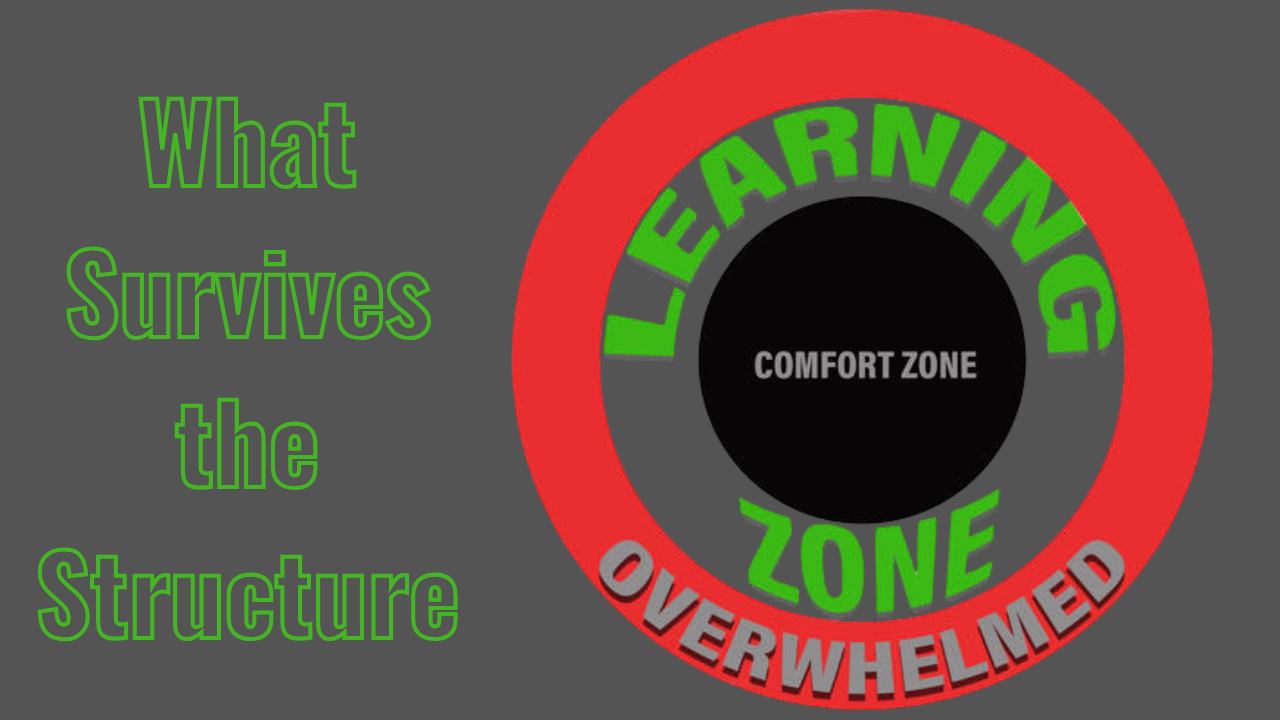
I was pulling out old plaques from Samuell Grand Tennis Center, looking for examples of the Learning Zone recognition system I had built. There was a name from September 2010. The first month. The first winner. Adith Balamurugan. I wondered what he was doing now and found him on LinkedIn. Head of Machine Learning at SwingVision. He had been that close to my orbit for years without me knowing it.
I called him this morning. We have not spoken in close to fifteen years. He went off to a STEM program in high school, then Berkeley for computer science and statistics, then straight into startup world. That trajectory does not surprise me. What struck me during the call was recognizing the same pattern of thinking that showed up on tennis courts two decades ago still operating at the same frequency in a completely different domain.
He talked about the serve. Muscle memory still intact after years away from the sport. The toss is consistent because he still visualizes that platform in front of his feet and imagines getting up onto it. That detail matters, but not because the serve transferred. The serve is just proof that something deeper was built properly. What actually transferred was how he thinks about learning under conditions where the answer is not obvious yet.
During the call, he described himself as combative back then. He wanted video proof when I pointed something out because he felt like he was doing something he was not actually doing. That is how he remembers himself. I remember it differently. He was the first Learning Zone award winner in September 2010, the inaugural month we launched that recognition system. I did not give that award to combative players. I gave it to players willing to stretch into discomfort and figure things out. The contrast matters. He saw himself as demanding proof. I saw him as willing to work where certainty does not exist yet. Both can be true. What matters is that the orientation I was recognizing was already his. The award did not create the pattern. It recognized what was already operating.
Adith joined SwingVision when it was five people. He was the first engineer working on the video analysis component. The company had started as a scoring app on the Apple Watch but was circling back to see if phone processors had advanced enough to handle real-time video processing. That is the kind of problem where you cannot know if the solution works until you build it, test it, break it, and rebuild it. There is no rulebook. There is only the grind of figuring it out through repetition and adjustment.
When I asked him about going into startup world instead of taking a safer path at an established company, his answer was direct. He found the grind fun in college. Staying up late working through problems felt like fulfillment, not sacrifice. He wanted to spend his twenties packing as much learning as possible into the smallest amount of time. That orientation is not something you teach through instruction. It either forms through experience or it does not. The fact that he described startup life the same way he once described serve work tells me the orientation formed early and stayed consistent.
His father understood this. During the call, Adith mentioned that his dad always valued the coaching for reasons that went beyond tennis results. They had philosophical conversations that did not involve forehands or footwork. I suspect that is why his father kept bringing him to lessons even when tournament outcomes did not reflect the work. He recognized that something else was being built.
He also talked about math becoming too abstract at a certain level. He could not relate it back to the physical world or see where it played out practically. His father, an engineer, suggested computer science might have similar conceptual challenges but with more hands-on application. That shift from abstract to applied is not just a curriculum choice. It is a recognition of how you learn best and what kind of problems hold your attention long enough to go deep on them. That self-awareness does not arrive fully formed. It gets shaped through environments that require you to make decisions about what deserves your focus and what does not.
The same pattern shows up in what he wanted as a junior player. He described himself as combative about needing video proof when I pointed something out. He wanted to see the evidence. Now he builds systems that provide exactly that kind of visual confirmation to other players. The specifics changed. The way he wants to understand things did not.
I am heading to DFW tomorrow to see my grandkids. Twenty-two months and five weeks old. That detail matters because it changes how you experience time. You stop thinking in seasons and start thinking in arcs. You notice what actually lasts. The conversation with Adith felt familiar, but not because we were reminiscing. It felt familiar because the structure underneath the thinking was the same. Different vocabulary. Different stakes. Same process. When something is built at the level of how you orient yourself to uncertainty, it does not need the original environment to stay intact. It just waits for the next context to show up and then reappears without announcement.
Tennis was the place where we happened to work together. It was not the thing that mattered. What mattered was whether the environment we built allowed space for him to develop a way of thinking that could travel beyond it. That capacity does not announce itself. You do not see it in results or rankings. You see it years later when someone is solving problems you never discussed in a field you know nothing about, and the approach they are using looks identical to how they once worked through something on a tennis court.
Most development systems optimize for outcomes visible within the system. They measure what can be measured while the structure is intact. The real test only shows up later, when all external support is gone.
Adith is what that looks like fifteen years later.
Adith did not come back to tennis because he needed it. He came back because his social circle at work plays and it became a way to connect after hours. The way he approaches problems did not require tennis to stay relevant. The domain was never the point. The domain was just where the thinking got practiced.
I recognized that thinking during the call because it operates at a frequency that does not change when the environment does. He talked about SwingVision processing video in real time using AI to track players and balls with a single camera. He talked about the technical challenges of making that work on a phone instead of requiring a ten-camera setup. He talked about iterating on the product and learning what users actually need versus what the company assumed they needed. All of that required the same tolerance for ambiguity, the same willingness to grind through problems without knowing the solution in advance, and the same ability to adjust based on what the work reveals rather than what the plan predicted.
That is what transfer looks like. Not a skill moving from one context to another. A way of thinking that was never dependent on the original context for its usefulness.
When I work with young people now, this is what I am building toward. Not outcomes that look impressive inside the system. Infrastructure that lasts after the system is gone.
The Learning Zone recognition system I built in 2010 was an attempt to name what I was looking for. Willingness to work where discomfort lives. Willingness to stretch into uncertainty rather than stay where things feel comfortable. Adith received that award in the first month it existed because the orientation was already operating in him. The system did not create it. The system recognized it. That is why it survived fifteen years. It was his to begin with.
Talking with Adith today confirmed something I already knew but needed to see again. When you build properly, what you build does not end when the original context does. It just keeps showing up in places you could not have predicted, doing work you never discussed, solving problems that did not exist when the foundation was laid.
The court was never the point. It was just where the work happened. What mattered then still matters now. And it will keep mattering in contexts neither of us can predict yet.
Never Miss a Moment
Join the mailing list to ensure you stay up to date on all things real.
I hate SPAM too. I'll never sell your information.
